
 EN
EN
 AR
AR
 HI
HI
 JA
JA
 KO
KO
 NO
NO
 RU
RU
 CA
CA
 TL
TL
 IW
IW
 ID
ID
 SR
SR
 UK
UK
 VI
VI
 SQ
SQ
 GL
GL
 MT
MT
 TH
TH
 TR
TR
 FA
FA
 AF
AF
 MS
MS
 SW
SW
 CY
CY
 IS
IS
 MK
MK
 HY
HY
 AZ
AZ
 EU
EU
 KA
KA
 HT
HT
 UR
UR
 BN
BN
 LA
LA
 MN
MN
 NE
NE
 SO
SO
 MY
MY
 KK
KK
 UZ
UZ
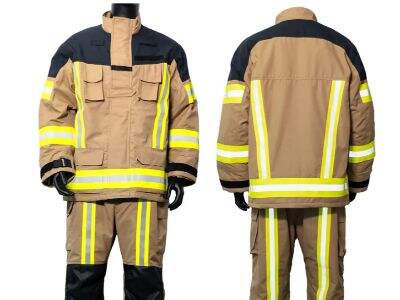
כאשר כבאים לובשים את לבוש הצלחה, הוא מגן עליהם מחום ולבהבות. אבל האם ידעתם שהאופן שבו הלבוש מיוצר יכול גם לסייע בהגנה עליהם מפני חום? ללבוש הצלחה יש שכבת מיוחדת הנקראת מחסום רטיבות. השכבה הזו חשובה כי היא תורמת לקירור המבוסס על התאדות. קירור מבוסס התאדות מתרחש כאשר הזיעה מהגוף הופכת לאדים ומקירה את העור. עבור כבאים, מחסום רטיבות מתוכנן כראוי בלבוש שלהם יכול ליצור הבדל משמעותי. בחברת ג'יאנשאן אטי-פייר אנו משקיעים מחשבה רבה בשיפור לבוש הצלחה כדי שכבאים יוכלו למלא את תפקידם בבטחה ובנוחות.
מה שעליכם לדעת לביצוע הטוב ביותר
כשכבאות פועלים, הם צריכים להיות מוגנים וקרירים. לכן, חשוב מאוד להבין כיצד פועלת שכבת המניע לרטיבות. שכבת המניע לרטיבות היא שכבת חומר מיוחד בגייר הכבאות שמעכבת חדירה של מים. כלומר, כשכבאות מתעבים, הרטיבות יכולה לברוח החוצה, מה שמסייע לשמור עליהם קרים. אם שכבת מניע זו אינה ממוקמת כראוי, היא עלולה לכלא את הזיעה בתוך הגייר, ולגרום להם להרגיש חמים ובלתי נוחים. דמיינו זאת כמעיל גשם: אם הוא לא מאפשר לזריחת הזיעה לצאת החוצה, אתם רטובים ודביקים מבפנים. זה בהחלט לא טוב כשאתם נאבקים באש!
אנחנו ב־Jiangshan Ati-Fire יודעים שמיקום הנכון של שכבת המניע לרטיבות יכול לשנות הכול. כאשר השכבה פועלת כראוי, היא עוזרת לכבאות להשאיר קרירים לאורך זמן רב יותר. עובדה זו קריטית במיוחד במישימות ארוכות. אם כבאי מרגיש מחומם מדי, הוא עלול לאבד את המרוכזות שלו – וזה מסוכן. לכן, אנו מתמקדים בגייר שכולל את שכבת המניע לרטיבות במיקום האופטימלי, כדי שתבצע את תפקידها בצורה הטובה ביותר.
גם החומר של מחסום הרטיבות חשוב. חלק מהחומרים נושמים טוב יותר מאחרים. נושמיות פירושה שזרימת אוויר עוברת דרך החומר, מה שמאפשר להזיע להתאדות. ככל שהציוד נושם יותר, כך הכבאי מרגיש קריר יותר. ב-Jiangshan Ati-Fire אנו בוחרים בחומרים בזהירות כדי לתמוך בתהליך זה.
לשמור על עין peeled באיכות מחסום הרטיבות הוא גם מאוד חשוב. אם הוא נשבר או נ wears out, הוא לא יעבוד כראוי. זו הסיבה שבגינה אנו בודקים את הציוד שלנו ביסודיות לפני שהוא מגיע לכבאים. אנו רוצים לוודא שכשהם לובשים את הציוד, הם יכולים לסמוך עליו שיעבוד בלחיצות המoment.
איך מחסומי רטיבות משפיעים על הקירור בציוד חירום
האופן שבו מוצב מחסום הלחות בגייר ליציאה לשטח יכול להשפיע מאוד על יעילות תהליך הקירור המבוסס על התאדות. קירור מבוסס התאדות מתרחש כאשר הזיעה מתאדה מהעור, מה שמקל על הגוף. אם מחסום הלחות צמוד מדי או לא ממוקם כראוי, הוא עלול לעכב את תהליך הקירור הזה. דמיינו לעצמכם חולצה צמודה מדי – קשה לנשום ומרגישים חום!
בג'יאנגשאן אטי-פייר אנו מעצבים את מחסומי הלחות שלנו כך שלא יהיו צמודים מדי, כדי לאפשר זרימת אוויר אופטימלית. כאשר הזיעה יכולה לברוח החוצה, הכבאי נשאר קריר יותר. זרימת אוויר טובה פירושה שהזיעה מתאדה מהר יותר. לדוגמה, כאשר כבאי עובד במשימה קשה באזור חם, הוא מזיע יותר; ואם הגייר מאפשר התאדות מהירה, הוא מרגיש טוב יותר.
אנו גם ממקדנים את תשומת לבנו על האופן שבו מחסומי הלחות באינטראקציה עם השכבות האחרות של חליפת יציאה למשתורי אש אם השכבה החיצונית כבדה מדי או שאינה נושמת, היא אוגרת חום וرطיבות. זה מקשה על מחסום הרטיבות לבצע את תפקידו. לכן, אנו מעצבים ציוד עם שיווי משקל נכון של חומרים, מכיוון שכל הרכיבים חייבים לפעול יחד.
נקודה נוספת היא שמחסום הרטיבות חייב להיות עמיד. כבאים מתמודדים בתנאים קשים. אם המחסום ניזוק, הוא לא יפעל כראוי. זו הסיבה לכך שאנחנו מוודאים שמחסומים שלנו חזקים ואמינים. אנו רוצים שכובאים ירגישו בטוחים בציוד.
בקיצור, מיקום ואיכות מחסומי הרטיבות בציוד כבאות הם קריטיים לשם עזרת הכובאים לשמור על קור במהלך עבודתם. ב-Jiangshan Ati-Fire, אנו מחויבים לייצר ציוד המגן ומשאיר את גיבורי הכבאות בנוח במהלך המשימות האמיצות שלהם.
היתרונות של מחסומי רטיבות משופרים בציוד כבאות
ציוד חוץ הוא מה שכבאות לובשים כדי להגן עליהם מפני אש. חשוב שהציוד ישמור על בטיחותם מחום ומים. חלק מרכזי אחד הוא מחסום הרטיבות. מחסום זה עוזר לשמור על הגוף ממים, זיעה ונוזלים אחרים. כשאנו מדברים על מחסומי רטיבות משופרים, אנו מתכוונים לחומרים ועיצובים משופרים שפועלים היטב. יתרון מרכזי אחד של מחסומים אלו הוא שהם עוזרים לשמור על כבאות יבשים. כאשר כבאות מזיעים רבות, הם מרגישים חמים ומעורערים. אם מחסום הרטיבות טוב, הוא מאפשר לזיעה להתאדות תוך שמירה על המים מחוץ לגוף. כלומר, הכבאי נשאר קריר ומרגש יותר בנוח בזמן שהוא עובד קשה.
יתרון נוסף הוא הבטיחות. כאשר כבאי רטוב, זה עלול לגרום לו להרגיש קור ברגע שאינו בתנועה. מצב זה מסוכן בנסיבות מסוימות. מחסומי רטיבות משופרים עוזרים לשמור על טמפרטורת הגוף בקביעות, דבר חשוב ביותר במהלך קרבות אש ממושכים. חברת ג'יאנגשאן אטי-פייר מתמקדת ביצירת הציוד המגן שלהם עם מחסומים לרטיבות הטובים ביותר להגנה על כבאים. מחסומים אלו מעוצבים לארוך ימים, כך שלא יתנשברו לאחר כמה שימושים. זה אומר שכבאים סומכים על הציוד לפעול לאורך זמן רב, מה שחיוני במצבים מסוכנים.
לבסוף, השימוש במחסומים לרטיבות משופרים יכול לשפר את הביצועים של הכבאים. כאשר הם מרגישים בנוח בציוד, הם חושבים בבירור ופועלים במהירות. זה חשוב באירועים חירום שבהם כל שנייה נחוצה. לכן, מחסום רטיבות טוב בציוד חירום אינו רק עניין של שמירה על יובש; אלא עניין של ביצוע עבודה בטוחה ואפקטיבית.
איך לוודא שהציוד לחירום עומד בתקנים הנוגעים למחסומי רטיבות
בנוגע לציוד לחירום, חשוב לוודא שהוא עומד בתקנים הנכונים. בכך אפשר לדעת שהוא בטוח ואפקטיבי. הצעד הראשון הוא לחפש תווית או תוויות. הן צריכות להראות שהציוד עבר בדיקות והוסדר על ידי גופים רשמיים. חלק מארגונים מסוימים קובעים כללי ייצור לציוד. חברת ג'יאנגשאן אטי-פייר מתחייבת לכך שכל הציוד שעושה היא עומד בתקנים הללו, כך שכבאים סומכים עליו.
דרך נוספת היא לבדוק על ידי שאלות. אם אתם כבאים או עובדים איתם, דיברו עם הספק. שאלו על החומרים ועל האופן שבו הם מגנים מפני לחות. ספק טוב יסביר כיצד הציוד עובד ולמה הוא בטוח. חשוב גם לבדוק את הציוד באופן קבוע. חפשו סימנים של בלאי וקריעות. אם מחסום הלחות פגוע, ייתכן שלא יפעל כראוי. ג'יאנגשאן אטי-פייר ממליצה לבדוק את הציוד לאחר כל שימוש ולהחליף חלקים שנבלו.
לבסוף, אימון הוא המפתח! לכבאים יש ללמוד על הציוד ועל הדרכים לטפל בו. ידיעה כיצד ללבוש אותו ולשמור עליו יכולה ליצור הבדל גדול בבטיחות. לכבאים יש גם להיות מודעים לאיך לשמור על קור בציוד. זה כולל שתיית מים ולקיחת הפסקות. על ידי הבטחת ציוד התלבשות לדוכן אש התקיימות של הסטנדרטים, לכבאים יש ביטחון שהם محمים בעבודתם החשובה.
טעויות נפוצות לגבי מחסומי לחות וקירור בציוד לכבאות
ישנם כמה אי-הבנות נפוצות לגבי מחסומים נגד לחות בגייר ליציאה לשטח שגורמים לבלבול. אחת הבעיות הגדולות היא שהמחסומים נגד לחות כולם זהים. רבים חושבים שאם הגייר כולל מחסום, הוא אוטומטית שומר עליהם קרים ויבשים. אך זהו לא האמת. היעילות משתנה בהתאם לחומרים ובהתאם לאופן שבו מיוצר הגייר. גייר ג'יאנגשאן אטי-פייר משתמש בחומרים מתקדמים שנועדו למנוע חדירת מים אך לאפשר את התאדות הזיעה, מה שמסייע בקירור.
אי-הבנה נוספת היא שמחסום נגד לחות עבה יותר הוא טוב יותר. חלקים חושבים שעוביה פירושה הגנה רבה יותר. אמנם עוביה תורמת להגנה, אך עלולה לגרום לגייר להיות כבד יותר ופחות נוח. לכבאים יש צורך בגייר המאפשר תנועה קלה, במיוחד במצבים חירום. לכן, האיזון בין הגנה ונוחות הוא חשוב. גייר ג'יאנגשאן אטי-פייר מתמקד בגייר שנותן את ההגנה הנכונה ללא הכבדות מיותרת.
לבסוף, יש הסבורים שמחיצות לחות לא יכולות לעבוד בטמפרטורות גבוהות. הם חושבים שאם ממש חם, הציוד לא יתקרר. זה לא נכון! מחיצות טובות עדיין עובדות בתנאים חמים. מה שחשוב הוא איך הציוד מיוצר ומתאים. כבאים צריכים להכיר את התפיסות המוטעות הללו כדי לקבל החלטות טובות. הבנת עובדות על מחיצות עוזרת להם להישאר בטוחים ונוחים בעבודתם.